Choosing the right venue can influence how smoothly a business gathering operates from arrival to closing remarks. Organizations planning meetings, networking sessions, celebrations, training programs, or client receptions often compare corporate event spaces in SLC based on capacity, accessibility, layout, and available amenities. A well-selected location should support the purpose of the occasion while creating a comfortable environment for employees, partners, and guests.
Table of Contents
- What should businesses consider before selecting an event venue?
- How does guest capacity affect venue selection?
- Why is location important for corporate events?
- What venue features support productive business events?
- How can room layout influence engagement?
- What role does catering play in corporate event planning?
- How important are scheduling and venue policies?
- Can the venue contribute to a company’s professional image?
- What is an efficient way to compare potential venues?
What should businesses consider before selecting an event venue?
The first consideration is the type of event being organized. A formal conference may require presentation equipment, seating arrangements, and dedicated areas for registration. A networking reception may benefit from an open floor plan that encourages movement and conversation. Understanding the event format makes it easier to identify practical venue requirements before comparing available options.
How does guest capacity affect venue selection?
Capacity should match the expected attendance without making the room feel either overcrowded or unnecessarily empty. Event planners can begin by estimating the number of guests and then considering how much space will be required for tables, chairs, food service, presentations, and activity areas. A flexible venue can be particularly useful when attendance numbers may change during the planning process.
Why is location important for corporate events?
Accessibility can have a direct effect on attendance and punctuality. A centrally located venue may make travel more convenient for employees and invited guests. Planners should consider parking availability, transportation options, nearby accommodations, and the ease of finding the property. Clear directions and straightforward arrival procedures can also create a more organized first impression.
What venue features support productive business events?
Technology and infrastructure are increasingly important for professional gatherings. Depending on the event, planners may need reliable internet access, audiovisual equipment, microphones, screens, charging areas, and suitable lighting. Comfortable seating and appropriate temperature control can also contribute to guest satisfaction, especially when attendees are expected to remain at the venue for several hours.
How can room layout influence engagement?
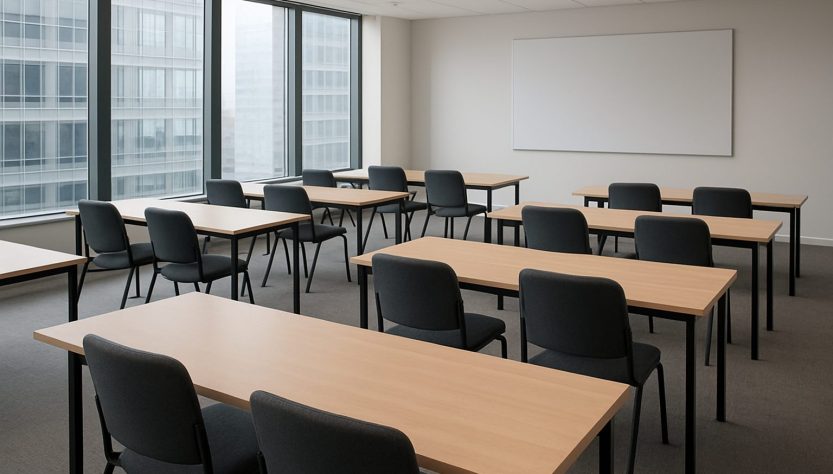
The physical arrangement of a room can shape how guests interact. Theater-style seating works well for presentations, while classroom layouts may support workshops and training. Round tables can encourage group discussions, whereas an open arrangement may be better suited to networking. Venues offering adaptable layouts give planners greater control over the experience.
What role does catering play in corporate event planning?
Food and beverage service can become an important part of the overall event schedule. Planners should review available catering options, meal timing, dietary accommodations, refreshment stations, and service arrangements. For longer events, convenient access to beverages and scheduled meal breaks can help maintain comfort without disrupting the program.
How important are scheduling and venue policies?
Understanding venue policies early can prevent avoidable complications. Businesses should confirm setup and breakdown periods, operating hours, payment requirements, cancellation conditions, decoration rules, and restrictions on outside vendors. A detailed agreement helps everyone understand responsibilities and reduces uncertainty as the event date approaches.
Can the venue contribute to a company’s professional image?
Yes. The surroundings can influence how attendees perceive an organization and its event. A clean, organized, thoughtfully designed space can complement presentations, networking opportunities, and corporate celebrations. The goal is not simply to select an attractive location, but to find an environment that aligns with the event’s purpose and expected guest experience.
What is an efficient way to compare potential venues?
A structured comparison can make the selection process easier. Event planners can create a checklist covering capacity, location, layout flexibility, technology, catering, accessibility, scheduling, and overall suitability. Visiting the venue when possible can also reveal practical details that may not be obvious from photographs or descriptions.
Ultimately, successful corporate event planning depends on matching the venue with the needs of the occasion. By examining operational details alongside atmosphere and convenience, businesses can create gatherings that feel organized, welcoming, and purposeful. A thoughtful venue decision provides a reliable foundation for productive meetings, meaningful connections, and memorable professional events.